

Within the current rapidly evolving online landscape, TikTok has secured its position as a dominant force for video makers and viewers alike. With countless of videos being posted daily, the platform's live broadcast feature provides a unique way for content producers to engage with their audience in the moment. However, one concern that often arises is the temporary character of these live-streamed videos. Once a broadcast concludes, the opportunity to revisit those moments can be lost unless you take proactive steps to preserve them.
For content creators operating out of their personal broadcast space or at a desk equipped with a microphone and webcam, knowing how to archive TikTok VODs before they expire is essential for creating a virtual archive. With various methods like capturing your screen on your display or using mobile content filming tools, there are efficient ways to retain these important videos. This guide will explore the most effective methods for backing up your TikTok content safely using cloud storage, ensuring that your artistic creations remains accessible for later viewing.
Setting Up The Live Streaming Studio
Creating an effective live streaming environment is crucial for any content creator wanting to engage their audience. Start by choosing a specific space in your home that is clear of distractions. A tidy streaming desk with a microphone is vital to ensure high-quality audio. Arrange your computer, camera, lighting, and other equipment so that everything is easily accessible during your live streams. Furthermore, make sure your background is visually appealing and shows your personal brand.
Investing a high-quality headset and microphone setup can considerably enhance your streaming experience. High-quality audio is frequently more important than video quality, as viewers are likely to stop watching if they can't hear you clearly. Look for microphones that are designed for streaming, and consider using a pop filter to reduce unwanted noise. Before going live, test your audio levels and make any necessary adjustments to ensure your voice is clear.
To wrap up, integrate screen recording on your monitor into your live streaming process. This lets you to capture your gameplay or any presentations you share during your streams. Using software that can store your streams instantly to the cloud is a smart choice, as it provides a fail-safe for future enjoyment. With a strong foundation in place, you can dedicate yourself to creating engaging content and growing your digital video library.
The Importance of Cloud Storage for VODs
Cloud storage plays a vital role in protecting your video on demand content for later access. As a content creator, you may spend significant time setting up the optimal live streaming configuration, only to have your hard work be lost if the content isn't saved effectively. By leveraging cloud storage and backup solutions, you guarantee that your valuable video content remains within reach, safe from data loss, and free from the restrictions of local storage limitations.
In addition, cloud storage makes possible easy arrangement and access of your videos. With a well-structured digital video library, you can categorize your streams based on subject matter, publication dates, or formats, making it simple to find and publish your favorite moments. This system becomes especially useful for creators who often engage with their audience through multiple platforms, as a fast search can lead spectators to their chosen content with ease.
Finally, cloud storage improves collaboration opportunities. By saving files to the cloud, content creators can easily send VODs with partners or friends for feedback, editing, or marketing across different channels. By leveraging these internet resources, you not only safeguard your work but also expand its exposure and sustainability, guaranteeing that your artistic endeavors continue to connect with audiences long following the original stream has concluded.
Essential Tools for Content Creation
To create top-notch TikTok VODs, having the necessary gear is crucial. A solid live streaming setup includes a dependable streaming station with a microphone that captures crisp audio. This is crucial as excellent sound standards boosts viewer engagement. A comfortable chair and an organized workspace will assist you focus on media creation absent of distractions.
In a domestic streaming studio, adding a screen recording setup is essential for recording gameplay, tutorials, or other content types. Ensure your monitor is tuned for accurate color depiction, and consider using programs that allows fluid transitions and overlays to create a polished look. Investing in a excellent camera and lighting equipment, such as a phone with a ring light, can considerably enhance the visual aesthetic of your footage.
Lastly, backing up your media is equally critical to creating it. Utilizing cloud storage ensures your TikTok VODs are securely saved and readily accessible. This approach helps build a online video library that can be referenced for future use, whether it be for reposting or creating compilations. Think about also having a headset and microphone setup to promote clear communication during live streams with your followers.
Ways to Store Streams for Later Access
For any content creator, it's important to have a reliable way for saving your TikTok VODs prior to expiration. An efficient approach is to employ screen recording software as you view your streams on a laptop or desktop. This provides you to capture high-quality footage straight from your screen. Ensure you set up your streaming desk with a microphone to record the visuals and the accompanying audio for an authentic experience.
An alternative is to explore cloud storage solutions that accommodate video files. Many creators upload their content to platforms that routinely back up their videos to the cloud. This gives you peace of mind knowing that your digital video library is secure and accessible anytime. Remember to check the cloud storage settings to make sure your videos are automatically saved after your streams finish.
In conclusion, you might want to investing in a home streaming studio setup that includes a headset and microphone. Such a setup will enhance the quality of your streams and enable you to create a more professional end product. Once you have captured your streams, organize them into an user-friendly online video player interface or a dedicated folder on your cloud storage. In this manner, you can easily revisit your content and share it with your audience whenever you want.
Building a Digital Film Collection
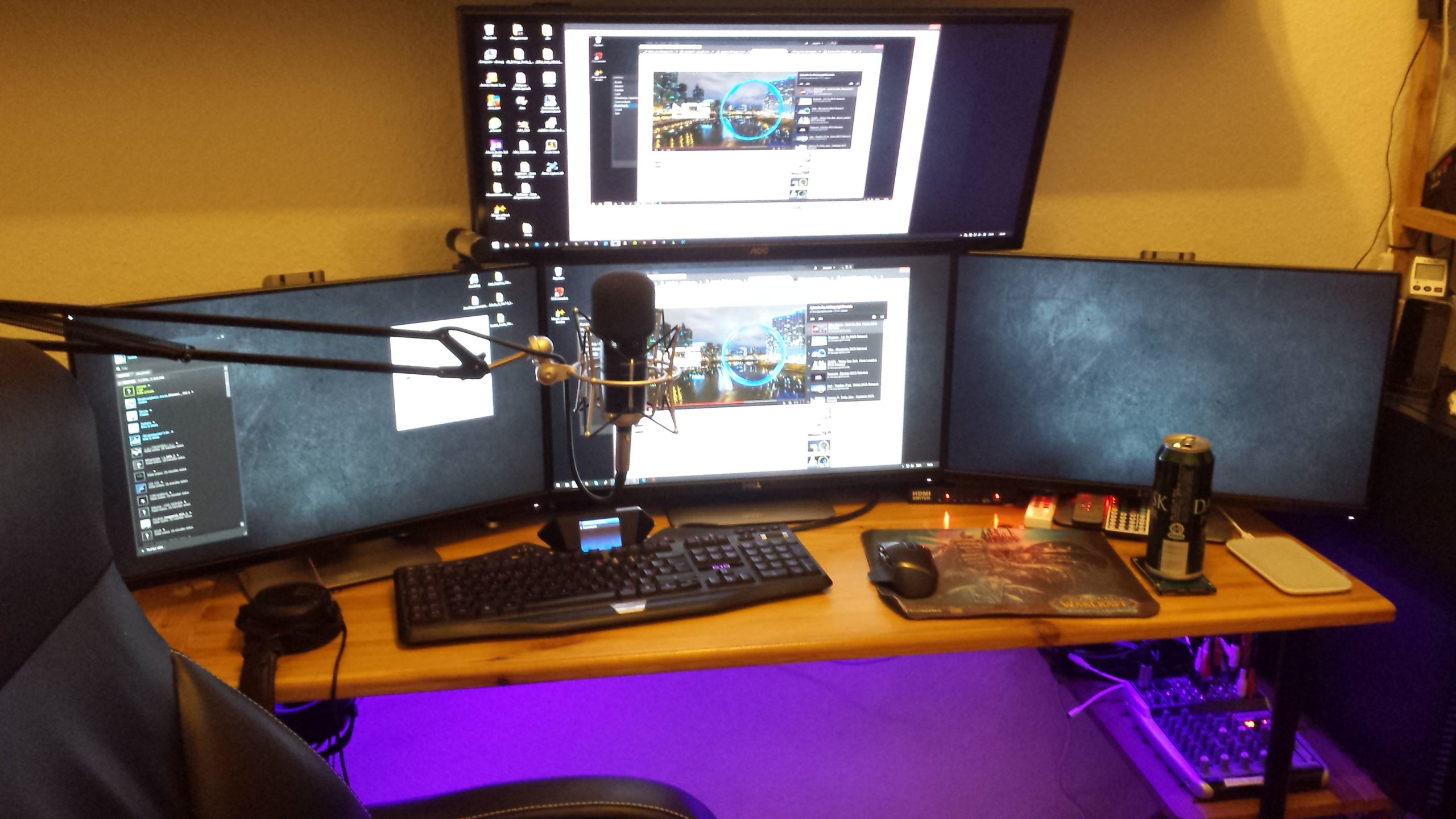
Establishing a digital film collection is important for safeguarding your TikTok videos on demand and making sure they are accessible for future enjoyment. Begin by systematizing your files on your streaming desk with a defined system that sorts your media. This can include categorizing your clips by themes, dates, or categories, such as tutorials, performances, or live streams. Maintaining a structured collection will make it simpler to locate specific clips later on.
Think about using cloud storage and backup solutions to ensure your clips safe from deletion. Services like Google's cloud service, Drop Box, or dedicated video storage platforms can help you reliably upload your media while freeing up space on your personal storage. Regularly saving files to the cloud not only protects against data loss but also allows you to access your digital video collection from anywhere, whether on your computer or on your phone while viewing streams.
Ultimately, make sure that your stored clips are simple to retrieve and watchable through a user-friendly online film player interface. This makes it easy for you or your audience to appreciate your content anytime. StreamRecorder record TikTok -curated virtual film library not only showcases your efforts as a content creator but also embodies the dedication you put into your home broadcasting studio, live streaming setup, and portable content filming with tools like your audio equipment and mic setup or mobile device with a ring light.